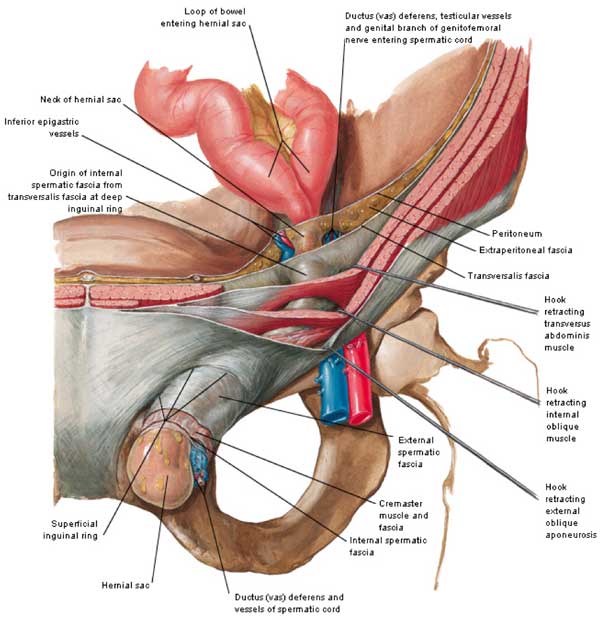
Hernias are abnormal protrusions from the body. They occur at different parts and can be seen across all ages. Inguinal hernias are the commonest form of hernias and are often seen in males.
Risk factors
Family history
Collagen disorders such as Marfan’s disease
Old age
Smoking
Symptoms
Groin protrusion that worsens in the day and may resolve during sleep
Groin pain
Abdominal pain
Vomiting, abdominal bloatedness and constipation
Tests
Your doctor would perform an abdominal and groin exam.
Abdominal ultrasound scan – this helps to characterize the protrusion and to ascertain that there are no pathologies within the abdomen.
Computed tomography – This imaging may be needed if there is suspicion of an intraabdominal pathology
Treatment
Inguinal hernias tend to progressively increase in size and comes with a risk of strangulation (sudden loss of blood supply to the protruding segment) and obstruction (failure of movement of food due to trapping of the intestinal segment).
In younger patients, repair is done by removing the abnormal hernia sac. In older patients, the groin muscles may be weak and after removal of the sac, the groin is supported by a mesh. The procedure is done under anesthesia and a small incision is made around the groin. The procedure lasts about one hour and you can go home same day after the anesthesia wears off. You would be told to say off heavy activity such as lifting heavy objects and sex for about 4-6 weeks to allow proper healing.
What happens to the mesh
The mesh acts to provide a temporary support and it is quickly replaced by your native tissue. The mesh disappears completely in about 1-2 years and its function taken over by the thick fibrous tissue that would have developed.