


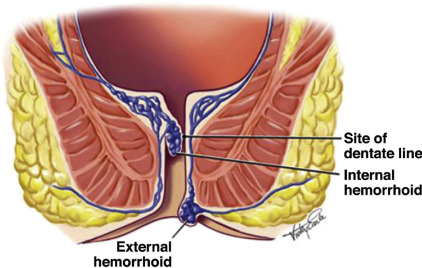
Haemorrhoids, commonly known as piles refer to a condition in which the veins and tissues around the anus or in the rectum become swollen and inflamed. Majority of people may suffer from haemorrhoids at some point in their life time. It is more common in individuals aged between 45 and 65 years and in pregnant women.
The most common symptom is passage of bright red blood with the stools. Many patients may also feel some protrusion from the anus defecation which may or may not return spontaneously. If the haemorrhoids have prolapsed, it causes pain, discomfort and itching around the anus.
Your doctor will perform physical examination which involves digital rectal exam with a gloved, lubricated finger. Additional diagnostic tests may be ordered to rule out other causes of bleeding.
Non operative lifestyle modifications and dietary changes often are helpful in reducing the symptoms of haemorrhoids especially in the early stage. You would be advised to increase consumption of high fibre diet (such as fruits and vegetables) and water intake (about 3Litres/day) which helps to soften the stools and helps to pass them easily thereby avoids straining. Fruits, vegetables and cereals serve as a good source of dietary fibers. Your doctor may prescribe additional stool softeners. Over-the-counter creams and suppositories may help with short term relief of pain and itching but do not provide lasting solution and can infact cause skin damage.
Medical Treatment
WhatsApp us