


Abdominal Ulcer
Introduction
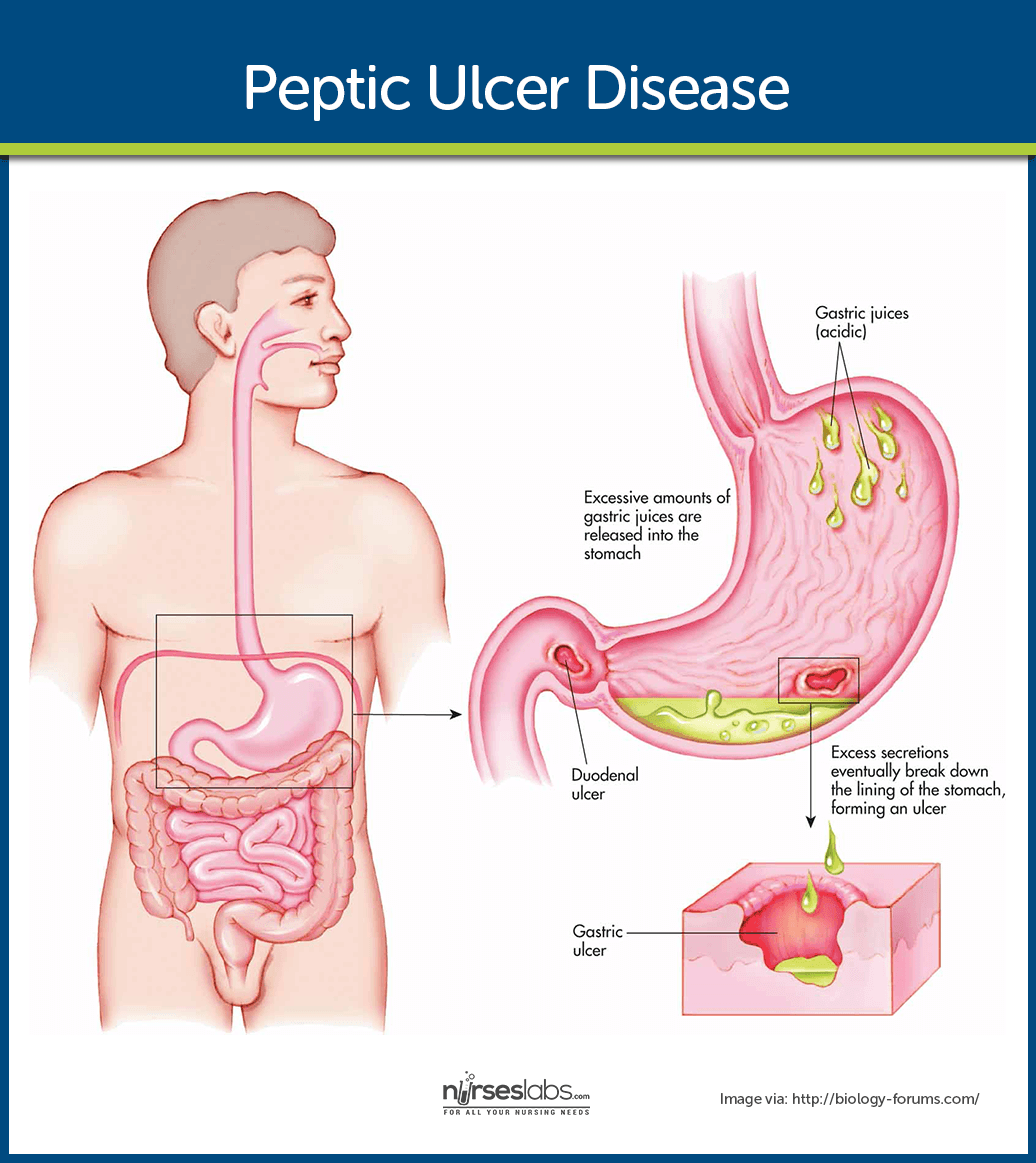
Peptic ulcer disease is commonly referred to as ‘ulcer’ are wounds that occur at the stomach and the initial aspects of the small intestine (duodenum). The stomach secretes acid that helps in initial digestion of food. It also has protective mechanism to prevent itself from being digested. Ulcers commonly occur when the protective systems are overwhelmed forming small wounds
Risk factors
- Smoking
- Alcohol intake
- Repeated use of non-steroidal anti-inflammatory drugs (such as ibuprofen, piroxicam, diclofenac) and steroids.
- Excessive stress
Causes
- Infection with a bacteria called H.Pylori. This is a relatively common infection transmitted through contaminated food and water. The bacteria is protected from destruction by the normal stomach acid by secreting enzymes that neutralizes it. It can be difficult to treat and require long term (about 2 weeks) antibiotics.
- NSAID pain killers cause ulcer by depleting the normal mucus layer covering the inner lining of the stomach exposing it to the harmful effects of acid secreted by the stomach.
Misconception
- In the early years of discovery of abdominal ulcer, there was an advice that spicy foods can exacerbate symptoms and ulcer patients were advised to eat monotonous dry food. Extensive research shows this not to be true and current advise is that patients are encouraged to take whatever food items that do not worsen their symptoms.
Symptoms
- Pain in the upper part of your tummy which may be related to hunger or recent ingestion of meals
- Bloatedness
- Nausea
- Vomiting
- Feeling of heart burn.
- When complicated, there may be prolonged vomiting, severe pain all over your tummy, vomiting blood or passage of blood from your anus
Tests
- In patients above 40years presenting with first time symptoms and those with severe symptoms, you may be requested to have an upper GI endoscopy done.
- Abdominal ultrasound – the ‘jelly scan’ can show the state of your other organs such as the liver.
- Abdominal CT scan – This Is a more advanced form of imaging that utilizes X-ray technology. It may be requested if your doctor suspects there may be a complication of the ulcer.
Treatment of ulcer
- Depends on how you are when you come in.
- In mild symptoms, you would be advised to stop smoking or drinking, you would be advised to stop NSAIDs and given prescription for another painkiller if needed.
- Commonly, triple therapy would be prescribed and involves:
- Proton pump inhibitors which reduce the acid content of stomach allowing the ulcer to heal faster
- Two antibiotics – This helps In eradicating H.Pylori which worsens the ulcer and causes it to recur. It is a difficult organism to eradicate hence the use of two antibiotics. You need to use the antibiotics for 2 weeks
What happens if I don’t treat my ulcer?
- Some ulcers heal on their own but you should see a doctor once you have the symptoms highlighted above.
- Long standing ulcers can get complicated. These ulcers may get deep enough to puncture your stomach wall and lead to leakage of food into your tummy. They can also cause erosion into your blood vessels and lead to severe bleeding. These are emergencies and you should present to the nearest hospitals if these symptoms arise. A surgeon would be needed to review you if there is a suspicion of gastric perforation or
How long does it take for the ulcer to heal?
- Many ulcers heal within 4-6 weeks and you may need a confirmatory endoscopy done depending on your doctor’s review.
Questions to ask your doctor
- How sure are you that I have ulcer and not anything sinister such as gastric cancer?
- How long am I taking the medications for?
- Can you swap my NSAIDS to a more gastroprotective painkiller?
- How do I confirm that my ulcer is gone?
Contact
- 07016222580
- Email : info@thesurgicalclinic.ng
- Plot 348 Chibuzor Chinyere Crescent, Guzape, Abuja
Newsletter
- © 2026 The Surgical Clinic